

Are you curious about the ins and outs of a Broken arrow home birth, or other local cities? Want to know what it’s really like to have a baby at home with the guidance of a skilled and experienced midwife? As a hospital birth mom, Ive always been curious about the home birth experience and this interview was eye opening.
In this exclusive interview, I sat down with Broken Arrow home birth midwife Karis Johnson to learn everything from creating a birth plan to handling emergencies and preserving precious memories through photography.
So grab a cup of tea and get ready to be wowed by the empowering and transformative world of homebirth!
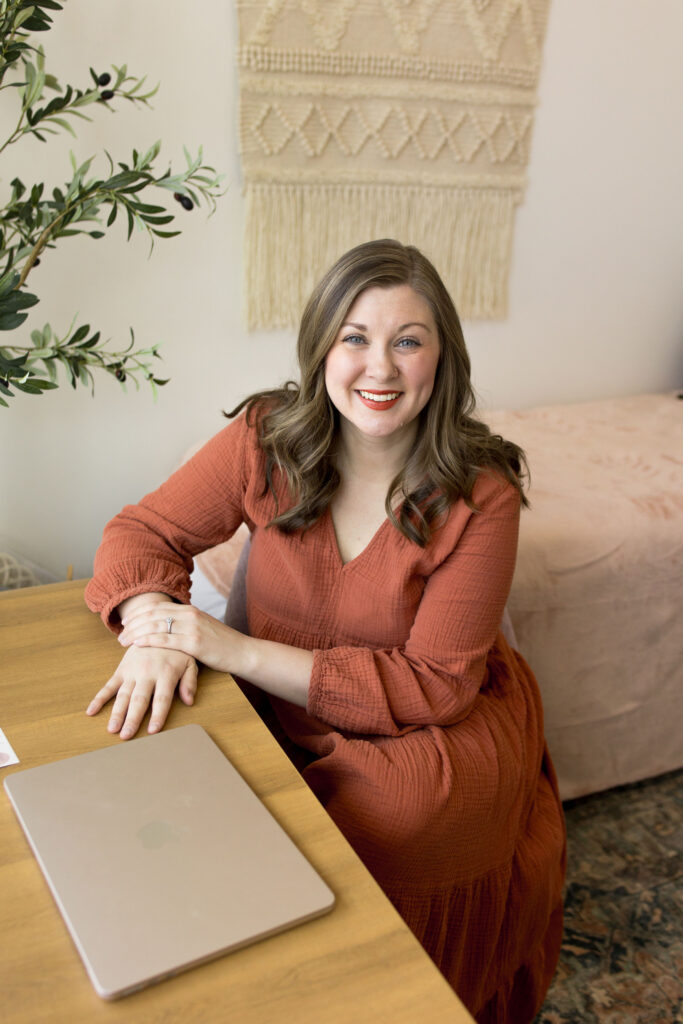
How long have you been a midwife and what got you into midwifery?
I finished midwifery school last July, so a little less than a year! My own birth experiences are what got me interested in midwifery. In the process of having my babies I became a doula and then a midwife because I saw how beautiful birth was and had a desire to empower women to take ownership of their births.
Can you walk me through a typical Broken Arrow home birth, from the initial consultation to postpartum follow-up?
Moms usually reach out within a few weeks of finding out they’re pregnant, through social media or my website. We schedule a consult in my office to talk about their vision for pregnancy and birth, and how midwifery care fits in. If we’re a good match, we set their first visit for 8–12 weeks, where we listen to the baby, draw labs, and get to know each other. I see them every 4 weeks until 28 weeks, every 2 weeks until 36 weeks, then weekly until birth. I attend the birth at their home with my assistant (also a licensed midwife), stay at least 2 hours after delivery, and provide postpartum care at 1–2 days, 2 weeks, and 6 weeks.
How do you work with families to create a birth plan that is specific to their needs and preferences?
When I was a doula I focused heavily on birth plans in the hospital, and what I’ve found as a midwife is that my standard is usually what’s on most women’s birth plans. We discuss a birth preference list in the third trimester that talks through who they want to catch the baby, whether they want to be in the water, and any other dreams they have for their birth. It’s pretty rare that I can’t support something on their list! This is just a standard part of my approach during prenatal care.
What would you say to someone with a concern or fear about giving birth at home?
Honestly, have babies where you feel the safest. I can provide you with so many resources that prove that home birth statistically has amazing outcomes, but I don’t aim to convince someone to do something they aren’t comfortable with. If they’re comfortable in the hospital or birth center, great! I’ll be here next time if they want something different. The things I do to create an environment of safety include very closely monitoring mother and baby’s health during pregnancy to rule out any expected complications, bring another midwife with me to the birth to have a second set of eyes, hands, and brains, and stay up to date on my continuing education so I can be prepared for anything that happens during a birth! I’m also legally allowed and required to carry emergency equipment and medications to handle complications at home and be prepared to transfer if necessary.
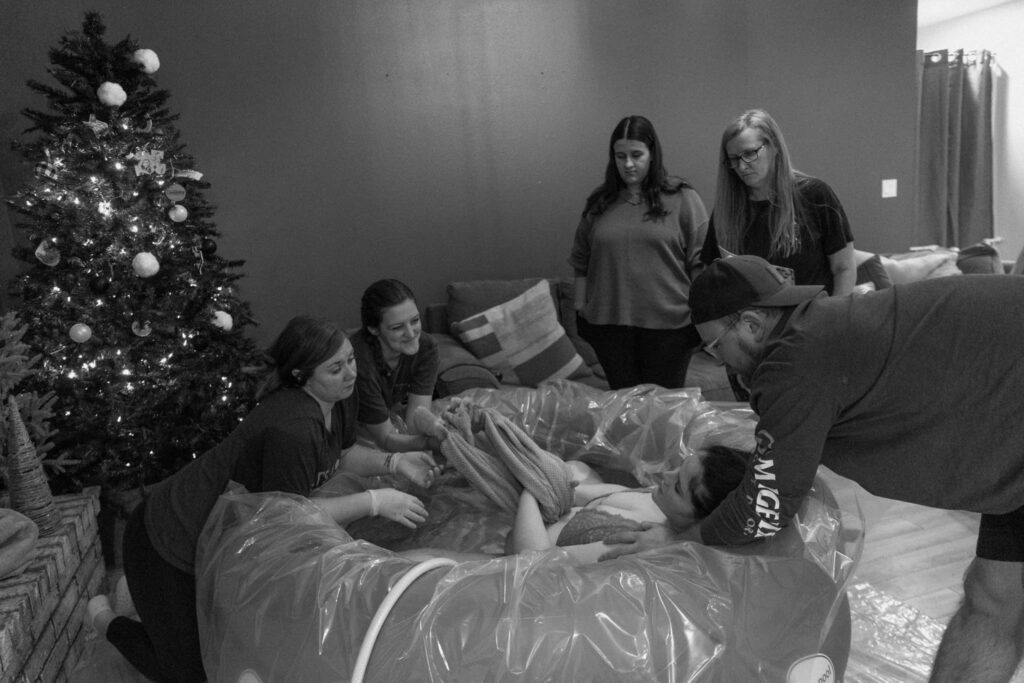
In what circumstances do you decide it’s time to transfer to the hospital?
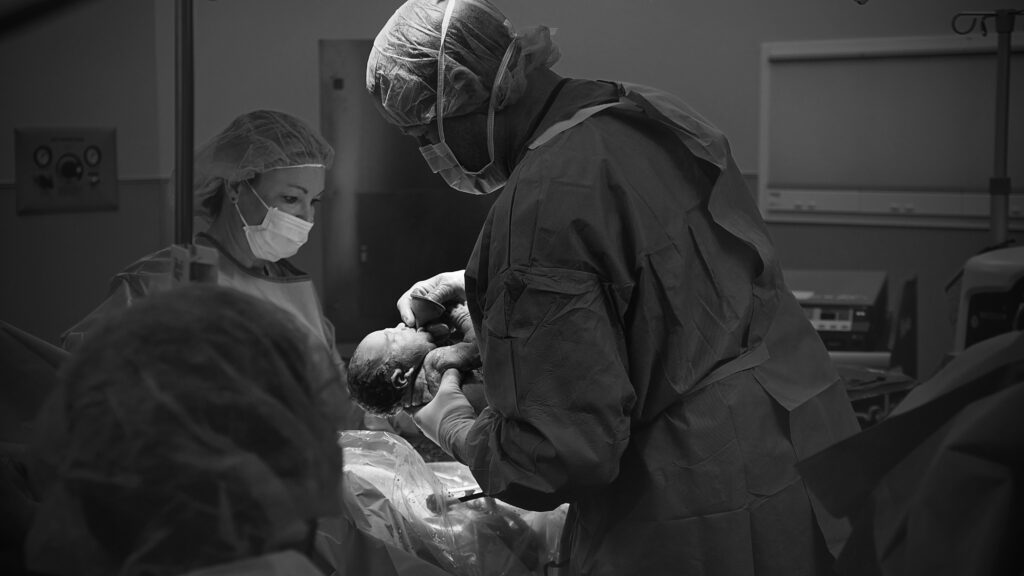
This is very situation-dependent! But the bottom line is that home birth is only safe for NORMAL pregnancy, labor, and postpartum. I monitor everything closely, so if things begin to veer outside of normal, I’m ready to go to a hospital where there are trained medical professionals to handle things when they become abnormal. Some reasons I would transfer to the hospital include clinical exhaustion (where the mother has used all her body has to give and she needs an epidural and a really good nap), postpartum hemorrhage where a mother might need fluid replacement, or fetal distress (where baby’s heart rate is non-reassuring). Transferring to the hospital is not common in low-risk patients.
Can you talk about the role of the father or partner during a Broken Arrow home birth and how you support them in their role?
Usually the dads are the ones who speak the mom’s language best. I try my best to keep the dads well-informed and calm so they can physically and emotionally support the moms. I make sure they also remember to eat, drink, and sleep when they can so they can better support the moms. If there is any support that I can teach them (hip squeezes, belly lifts, words of encouragement) then I will so they can be active participants in the birth.
How do you incorporate evidence-based care into your practice, and what resources do you use to stay current on the latest research?
Evidence Based Birth, which is an international research organization that provides up to date information to families having babies. I practice informed consent and shared decision making, so any time there is a decision on testing, treatment, or labor choices, I can provide families with research and the pros and cons of each choice and we can make decisions together. I also reference ACOG, but home birth midwifery does not fall under ACOG guidelines so I only use this as a reference point most of the time. Oklahoma law requires continuing education hours to renew licensure, so I stay up to date on all of these hours. I regularly attend meetings with the Midwives Society of Oklahoma and complete trainings and peer review monthly.
Can you share any tips for families who are considering a Broken Arrow home birth for their upcoming birth, in terms of preparation and choosing the right provider?
Interview midwives and ask about their license, experience, and accountability. Oklahoma law gives midwives autonomy with safety guidelines in place. Choose someone you trust—feeling safe is essential for a smooth home birth. Take a childbirth class focused on out-of-hospital birth, hire an experienced doula, and stay active and healthy during pregnancy. Home birth means taking ownership of your experience, and the best outcomes happen when moms are informed, confident, and well-prepared.
What are some common misconceptions about homebirth that you would like to address?
A common myth is that home birth is messy, but we clean everything up. Often you house is left cleaner than before! Another misconception is that midwives aren’t well-trained. In reality, we’re highly educated professionals trained to handle emergencies and make informed decisions about when to act. We’re skilled at allowing the natural process to unfold while staying ready for anything. Some think birth centers are safer, but studies show outcomes at home and freestanding birth centers are the same.
How do you ensure continuity of care for families during the postpartum period?
I’m in regular contact with families after they give birth. I check in via call or text in between the birth and my first home visit 1-2 days later. I spend at least an hour with them at each visit. My regular schedule is to see them at 2 and 6 weeks. However, I will always see them more if they need it.
How do you work with other healthcare providers (OBs, pediatricians, etc.) to ensure the best care for families?
If something is outside my scope, I consult with trusted doctors. I never hesitate to refer when someone else can provide better care or insight.
Can you talk about any specific training or qualifications you have that make you well-suited to assist with homebirths?
I’m nationally certified by the North American Registry of Midwives and licensed in Oklahoma to attend home births. I answer to both of these organizations when it comes to continuing education and practicing safely! I’m well-connected in the Tulsa midwifery community to uphold standards and ensure safe, respected care.
Can you share any examples of how you have supported families who have had a previous traumatic birth experience? How were they able to have a positive homebirth experience?
Many families choose home birth after a traumatic hospital experience. I take time to understand their stories, encourage counseling, and attend therapy myself to provide safe, supportive care. Most trauma stems from lack of consent, which I’m especially mindful of during home births.
Where can people connect with you to learn more about what you offer?
My website is karisjohnsonmidwifery.com, and my instagram is @karisjohnsonmidwife
I hope you enjoyed learning about the world of homebirth and the possibilities it holds. It’s a unique and empowering experience that can be a reality with the right support. Don’t be afraid to dream big, and trust your gut when making decisions about your birth. Remember, with home birth, you get a knowledgeable midwife who’s also fun—making your experience both safe and memorable.
Considering a Broken Arrow home birth but still on the fence?
Karis’s approach to personalized care and deep respect for each family’s wishes really sets the tone for a safe, supported, and empowering birth. It’s not just about the location—it’s about the connection, the calm, and the confidence that comes with having a midwife who truly listens.
For anyone dreaming of a Broken Arrow home birth experience that feels both peaceful and well-supported, Karis Johnson might just be the perfect partner in your birth journey.
CLICK HERE to see more information on Owasso birth stories. I would love to help you preserve these memories!


Leave a comment ⟶
comments
0